
- Insulation
- Spray Foam
- Gutters
- Accessories
- Services
- Brands
- Our Brands
- Brand Directory
- 3M
- ADO Products
- Atlas
- BASF
- Berry Global
- Boss Products
- Bullard
- Carlisle
- Cascadia
- CertainTeed
- CertainTeed Machine Works
- DAP
- Demilec
- Dura-Stilts
- DuPont
- ECHOtape
- Fi-Foil
- GEMCO
- Geocel
- Graco
- Greenfiber
- HandiFoam
- Huntsman
- Hyde Tools
- ICP Building Solutions Group
- IFTI
- Insulfoam
- Intec
- ITW-Ramset
- Johns Manville
- Knauf
- Krendl
- KWM Gutterman
- Lamtec
- Loctite
- Midwest Fastener
- No-Burn
- OSI
- Poly-America
- Python
- Rmax
- ROCKWOOL
- Rubbermaid
- SAS
- STI
- Super Anchor Safety
- Superior Fireplaces
- Thermafiber
- TimberHP
- WestRock
- Winco


What You Need
When You Need It
Service Partners has insulation and building products for any project


The Service Partners Difference

Built for Contractors
Residential and commercial contractors trust our service and reliability

Get All Your Building Supplies
Choose from one of the largest selections of building products in the nation

National Distribution
We are the leading insulation distributor in the U.S., ready to serve with 75+ branches nationwide

Next Day Delivery and Service Available
Get the supplies you need to move your project forward on time
Call Your Local Branch
Find Local BranchWe Carry The Brands You Trust
We carry the highest quality brands of building supplies.

|

|

|

|

|

|

|

|

|

|

|

|

|

|

|

|

|

|

|

|
|
|
|
|
|
|
|
|
|
|
|
|
|
|
|
|
|
|
|
|
|
|
|
|
|
|
|
|
|
|
|
|
|
|
|
|
|
|
|
|
|
|
|
|
|
|
|
|
|
|
|
|
|
|
|
|
|
|
|
|
|
|
|
|
|
|
|
|
|
|
|
|
|
|
|
|
|
|
|
|
|
|
|
|
|
|
|
|
|
|
|
|
|
|
|
|
|
|
|
|
|
|
|
|
|
|
|
|
|
|
|
|
|
|
|
|
|
|
|
|
|
|
|
|
|
|
|
|
|
|
|
|
|
|
|
|
|
|
|
|
|
|
|
|
|
|
|
|
|
|
|
|
|
|
|
|
|
|
|
|
|
|
|
|
|
|
|
|
|
|
|
|
|
|
|
|
|
|
|
|
|
|
|
|
|
|
|
|
|
Exclusive BIBS® Provider
BIBS (Blown-in-Blanket System) is exclusive to Service Partners, and is an effective way to increase the thermal envelope and provide added in-home comfort and energy efficiency. Only Service Partners offers the original, certified Blown-in Blanket System. Contact your local branch for details!
Read More
One-Stop Accessories Shop
Let Service Partners save you a trip to another store. We may be the nation’s leading insulation distributor, but Service Partners can also be your one-stop accessories shop. We offer a large assortment of products and great deals on equipment, PPE, tapes, caulks, tools and more, so you have to think about one less thing.
Read More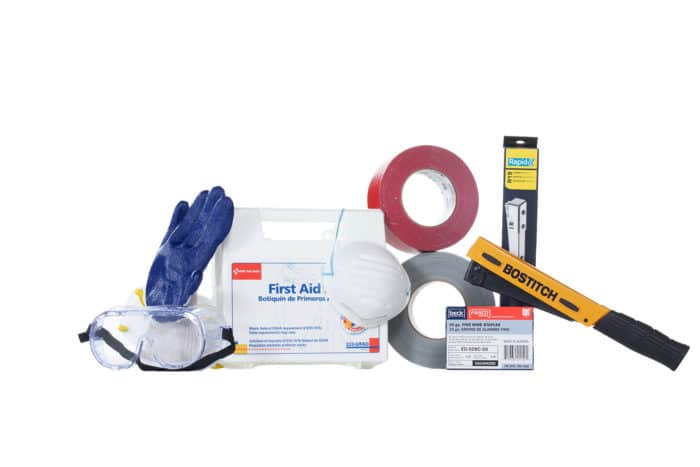

Our Approach
To Service
Our Approach
To Service
 Nationwide Scale
Team of Experts
Speedy Delivery
We Are On Your Team
Nationwide Scale
Team of Experts
Speedy Delivery
We Are On Your Team Sign Up for Service Partners Updates
Get news and updates delivered right to your inbox.
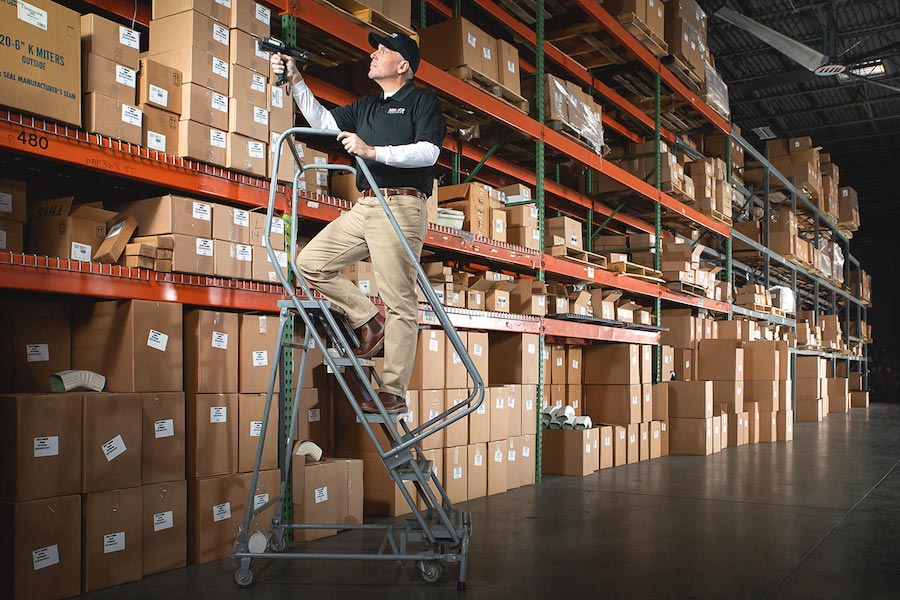
All The Building Supplies
Your Project Needs
Building Supplies
Request a QuoteInsulation
Service Partners is the leading distributor of insulation products in the nation, including fiberglass batt and blown, cellulose, rigid foam board, spray foam, and mineral wool
View Products
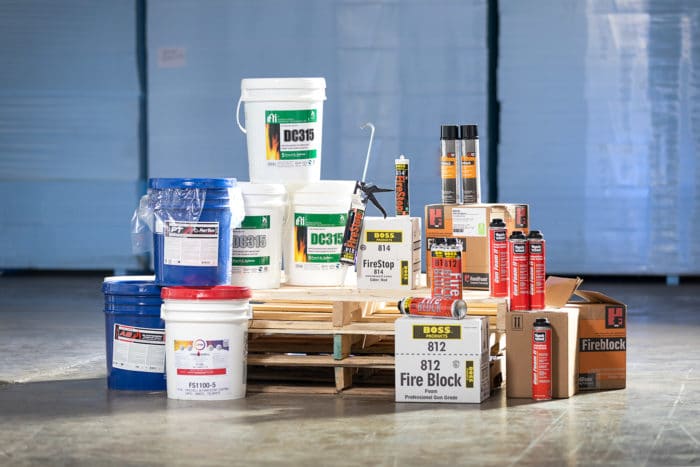
Fireproofing Products
Make your projects resistant to fire with our wide variety of fireblock materials, including insulation, sealant, barriers, coatings and more
Rain Gutter Supplies
Service Partners is a nationwide manufacturer and distributor of seamless rain gutters and accessories in a variety of materials and colors
View Products
Accessories
View AllInsulation Machinery
Improve the installation of spray foam and blown-in insulation with the right blowing wool machines, spray foam rigs, and more
View Products
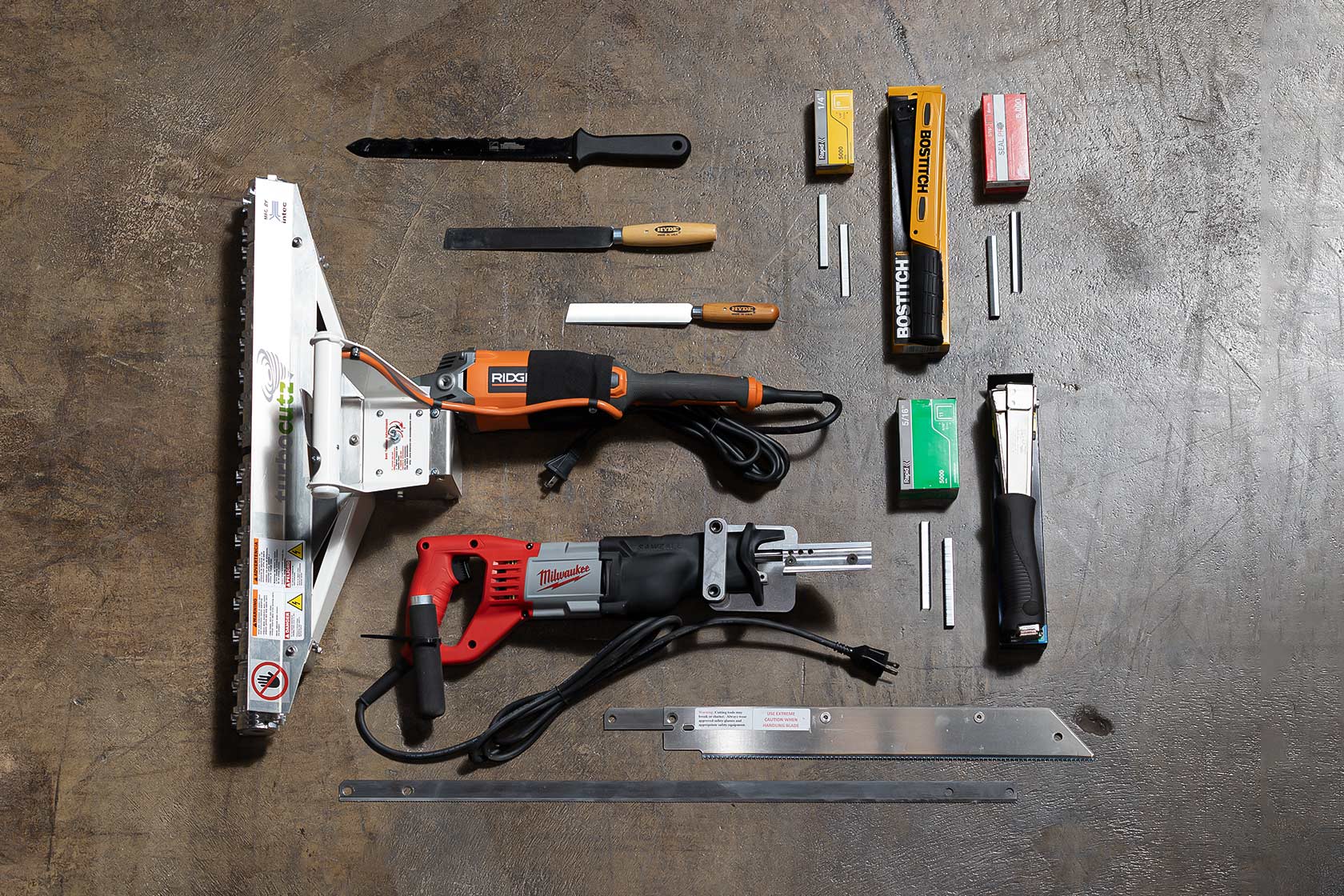
Insulation Tools and Equipment
Get the right spray foam insulation equipment, insulation fasteners and other tools to make your project more efficient
View Products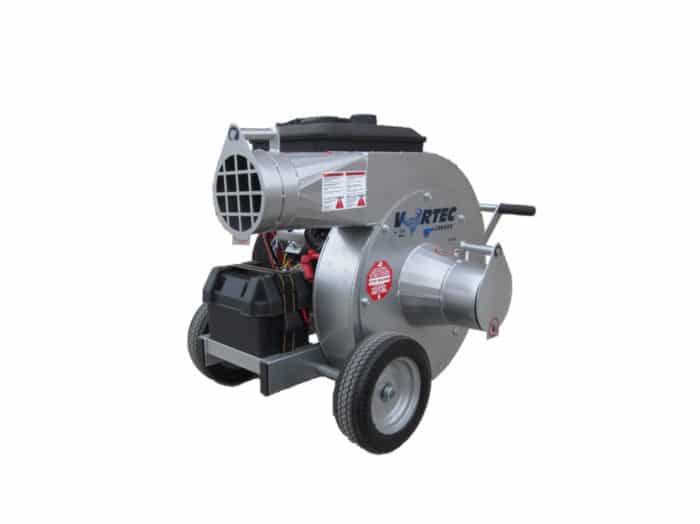
Personal Safety
Stay safe on the job. Service Partners sells glasses, respirators, hard hats and more, as well as fall protection equipment
View Products

Services
View AllSpray Foam Rig Repair and Maintenance
We are a trusted provider of spray foam rigs and equipment maintenance and repair services.
View Products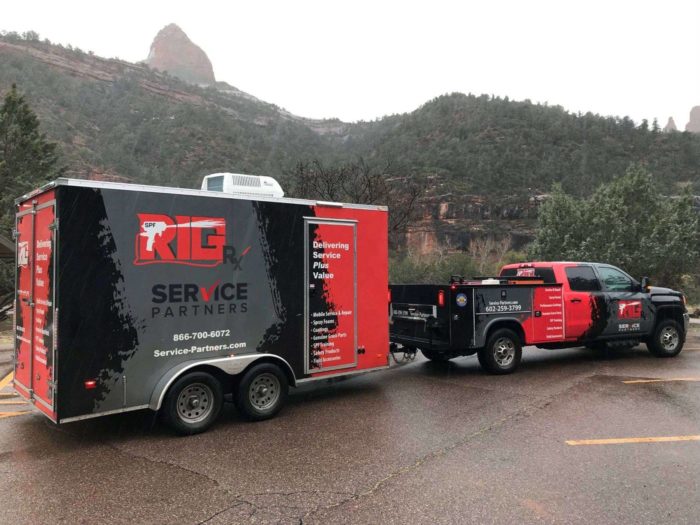
Gutter Machine Maintenance and Repair
Our experienced gutter machine technicians can help with routine adjustments, preventative care and on-site repairs.
View Products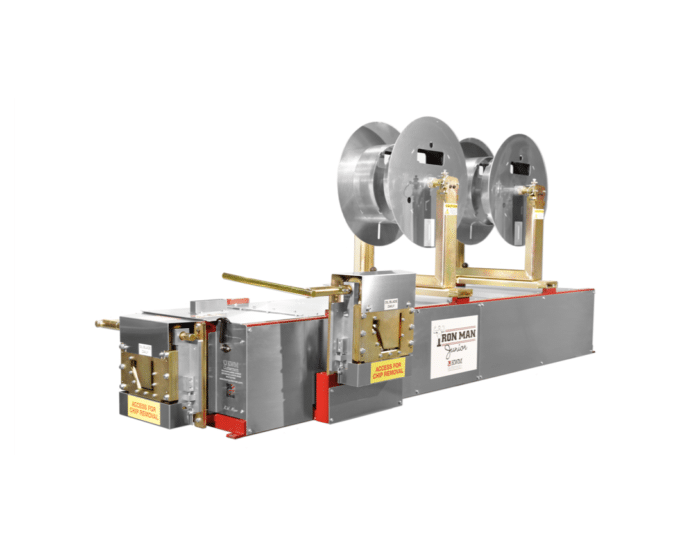
Service Partners Project Consultants
Our industry experts are ready to help you navigate product and application options with your business goals in mind.
View Products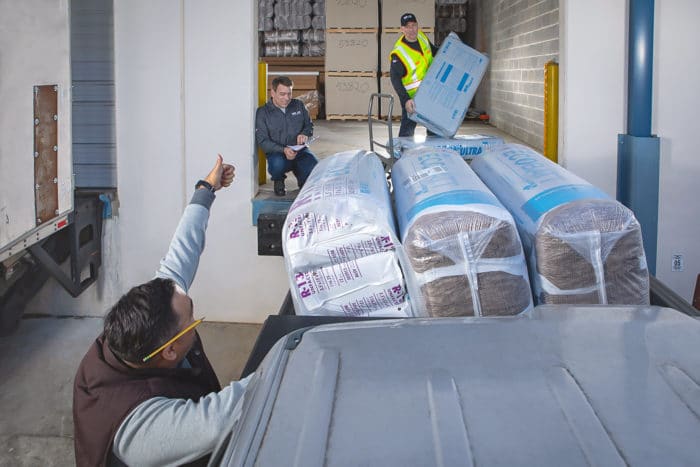




At Service Partners Your Success is Our Business

Jeff Franklin
Service Partners President
“Your business is our business. At Service Partners, we aim to deliver what you want, when you want it and where you want it. We offer national scale, local relationships and the right selection of products and delivery options. Let Service Partners be your partner in achieving success.”
Ready To Place An Order?
Contact Service Partners for all of your building supply needs.